Discover 10 high-converting testimonial page templates with real examples, design tips, and SEO best practices. Build a trust page that converts visitors into customers
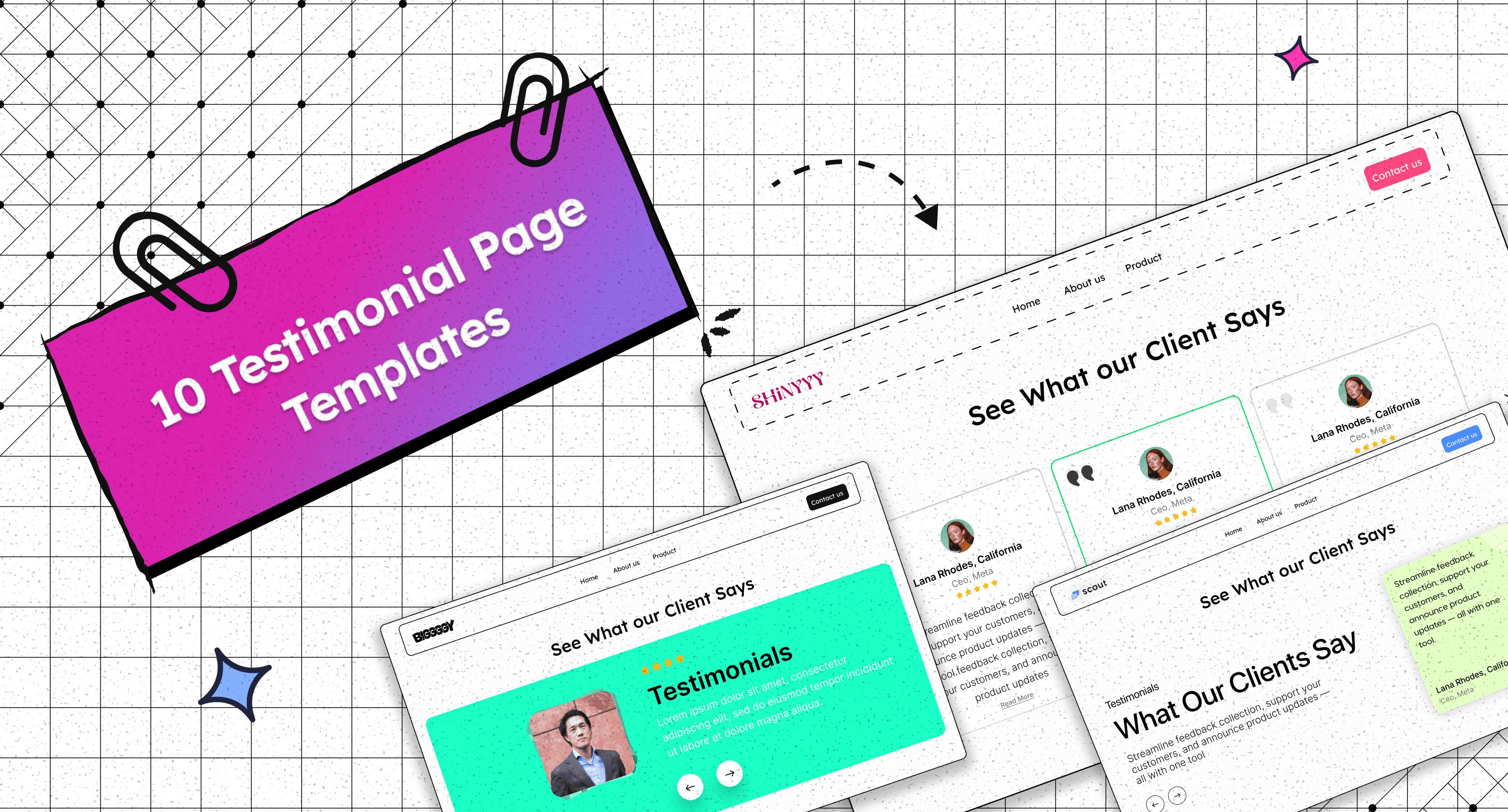
Customer testimonials are one of the most powerful tools in your conversion optimization arsenal. According to recent studies, 92% of consumers read online reviews before making a purchase decision, and testimonial pages can increase conversion rates by up to 34%. But here's the catch: simply slapping a few customer quotes on a page won't cut it anymore.
The design, structure, and strategic placement of testimonials can make the difference between a visitor who bounces and one who converts. In this comprehensive guide, we'll explore 10 proven testimonial web page examples and templates that drive real results, complete with actionable implementation tips you can use today.
Why Testimonial Pages Matter for Conversions
Before diving into the templates, let's understand why dedicated testimonial pages are crucial for your business. Social proof isn't just a marketing buzzword, it's a psychological principle that influences purchasing decisions at every stage of the buyer's journey.
When potential customers land on your website, they're looking for validation that your product or service delivers on its promises. A well-crafted testimonial page serves multiple purposes: it builds trust, addresses common objections, showcases real results through sample testimonials for website, and provides the final push needed to convert hesitant prospects into paying customers.
Search engines also favor pages with authentic user-generated content, making website testimonials page creation a powerful testimonials SEO asset. When structured correctly with schema markup and relevant keywords, these pages can rank for valuable long-tail search terms related to your industry and solutions. Learn more about how testimonials improve SEO and boost trust to maximize your organic visibility.
Template 1: The Video Testimonial Showcase
Video testimonials are conversion powerhouses, with studies showing they can increase conversions by up to 80%. This website testimonial page examples template puts video front and center, allowing visitors to see and hear real customers sharing their success stories.
key Elements:
Large, high-quality video player above the fold
Grid layout featuring multiple video testimonials
Thumbnail previews showing customer faces
Industry or use case filtering options
Prominent call-to-action buttons below each video
This template works exceptionally well for B2B SaaS companies, coaching services, and high-ticket products where trust-building is paramount. The emotional connection created through video testimonials can overcome skepticism more effectively than text alone.
Modern testimonial platforms now make it incredibly easy to collect high-quality video testimonials directly from customers without requiring them to download apps or create accounts. This seamless experience dramatically increases response rates and testimonial quality.
Implementation Tip: Embed videos using a fast-loading player that supports captions for accessibility and silent autoplay thumbnails to catch attention without being intrusive. Consider using AI-powered editing tools to add subtitles, trim content, and maintain brand consistency across all video testimonials.
Video testimonials also improve testimonial SEO, increasing time on page, engagement signals, and eligibility for rich results in search engines.
Template 2: The Results-Driven Template
Numbers speak louder than words. This template focuses on quantifiable results, perfect for businesses where metrics matter, think marketing agencies, software platforms, and consulting services.
Key Elements:
Large, bold statistics highlighting key results (e.g., "300% ROI increase")
Before-and-after comparisons
Customer logos from recognizable brands
Brief testimonial quotes supporting the numbers
Industry-specific result categories
For businesses in the AI and automation space, platforms like Gridapps.ai effectively showcase how their solutions drive measurable outcomes through customer success stories.
This template immediately answers the question every prospect has: "What results can I expect?" By leading with impressive metrics, you capture attention and build credibility from the first scroll. When collecting testimonials for this template, make sure to ask the right questions that elicit specific, measurable outcomes from your customers.
Template 3: The Story-Based Journey Template
Sometimes the most powerful testimonials are the ones that tell a complete story. This template transforms customer feedback into compelling narratives that prospects can see themselves in.
Key Elements:
Long-form testimonial content structured as case studies
Three-act structure: Problem, Solution, Results
Customer photos and company information
Pull quotes highlighting key moments
Related resources and next steps
This approach works particularly well for complex products or services where the customer journey involves multiple touchpoints and decision-makers, making it one of the most effective testimonial page examples.
The key to making story-based testimonials work is gathering detailed information during the collection process. Using strategic testimonial questions ensures you capture the complete narrative, from initial challenges to final transformation.
SEO Benefit: Long-form testimonial content naturally incorporates relevant keywords and provides substantial value that search engines reward with better rankings.
From a testimonials SEO perspective, story-based testimonials naturally rank for long-tail keywords like customer success stories, real customer testimonials, and product testimonials for [industry].
Template 4: The Industry-Specific Template
When prospects see testimonials from businesses similar to theirs, conversion rates soar. This template organizes testimonials by industry, company size, or use case, making it easy for visitors to find relevant success stories.
Key Elements:
Tabbed or filterable navigation by industry
Industry-specific headers and icons
Testimonials addressing pain points unique to each sector
Relevant metrics and KPIs for each industry
"Find Your Industry" search functionality
This template is essential for businesses serving multiple market segments, creating comprehensive testimonial pages on websites that reduce friction in the decision-making process and demonstrate domain expertise across various sectors.
When implementing this template, consider strategic testimonial placement throughout your website to ensure industry-specific social proof appears at critical decision points in the buyer journey.
Template 5: The Social Proof Wall
The social proof wall template creates an overwhelming sense of trust through sheer volume and variety. This approach leverages the power of consensus, if hundreds of customers are happy, the thinking goes, you will be too.
Key Elements:
Masonry or grid layout displaying dozens of testimonials
Mix of text, star ratings, and profile photos
Real-time testimonial feed (if available)
Filter by star rating, date, or product
Integration with third-party review platforms like G2, Capterra, or Trustpilot
For e-commerce businesses and platforms with large customer bases, external review platforms like Trustpilot provide credibility through verified reviews that can be embedded directly into your testimonial wall.
This testimonial website design template works best for established businesses with hundreds of customer reviews. The visual impact of seeing page after page of positive feedback can be the deciding factor for prospects on the fence. Modern testimonial management platforms allow you to aggregate reviews from multiple sources into a unified "Wall of Love" display that showcases your social proof at scale.
Template 6: The Interactive Slider Template
The carousel or slider template keeps visitors engaged by presenting testimonials in a dynamic, interactive format. This template is particularly effective for mobile users and helps prevent page overwhelm.
Key Elements:
Automated or manual slide controls
Large, readable testimonial text
Customer photos and company logos
Pagination indicators
Pause functionality for extended reading
While sliders have faced criticism in some UX circles, these sample testimonial pages using testimonial sliders remain effective when implemented correctly. The key is ensuring each slide contains complete information and includes clear navigation controls.
Accessibility Note: Always provide alternative navigation methods and ensure screen readers can access all testimonial content, not just the currently visible slide.
Template 7: The Comparison Template
For businesses competing in crowded markets, the comparison template helps differentiate your offering by showcasing testimonials that specifically mention why customers chose you over competitors.
Key Elements:
"Why They Chose Us" headline
Before-and-after sections comparing previous solutions
Specific competitor mentions (tactfully handled)
Side-by-side feature comparisons with testimonial quotes
Switching stories from competitor products
This testimonials web design template works exceptionally well in competitive SaaS markets, where prospects are actively evaluating multiple options. By featuring testimonials that address the switching decision, you provide the validation needed to choose your solution.
To gather comparison-focused testimonials, your testimonial collection questions should specifically ask customers about their previous solutions and what made them switch. This targeted approach yields the specific comparative insights that drive conversions.
Legal Note: Ensure all comparative claims are substantiated and comply with advertising regulations in your jurisdiction.
Template 8: The Authority Template
When your customers include industry leaders, Fortune 500 companies, or notable figures, the authority template puts those impressive credentials on full display.
Key Elements:
Large, prominent company logos
"Trusted By" or "As Featured In" sections
Executive testimonials with titles and headshots
Awards and recognition badges
Press mentions and media coverage
This testimonials page design leverages the 'halo effect'—if respected organizations trust your product, prospects are more likely to as well. It's particularly effective for B2B companies, enterprise software, and professional services targeting corporate clients.
Marketing automation platforms and HubSpot effectively use this approach, showcasing testimonials from recognizable brands to build immediate credibility.
Template 9: The Objection-Handling Template
Every product or service faces common objections during the sales process. This template strategically addresses those concerns through targeted testimonials.
Key Elements:
Sections organized by common objections (price, implementation time, complexity, etc.)
Testimonials specifically addressing each concern
FAQ format with testimonial-based answers
Clear categorization and navigation
Related resources for deeper information
This template requires understanding your sales process and the obstacles that prevent conversions, making it one of the most strategic web design testimonials approaches. By proactively addressing concerns through customer voices, you remove barriers and accelerate decision-making.
The effectiveness of this template depends entirely on asking the right questions during testimonial collection. Questions that address hesitations, concerns, and the decision-making process yield testimonials that directly counter common objections.
Template 10: The Multimedia Experience Template
The most sophisticated testimonial pages combine multiple content types into an immersive experience. This template integrates videos, text, audio clips, images, and interactive elements for maximum impact.
Key Elements:
Mixed media presentation (video, audio, text, images)
Interactive elements like hover effects or expandable sections
Behind-the-scenes content and customer interviews
Social media integration showing real-time mentions
Downloadable case studies and resources
This comprehensive approach works best for premium brands and companies with substantial marketing resources, creating a powerful testimonial landing page experience. The investment in creating diverse content pays dividends through higher engagement and conversion rates.
AI-driven testimonial marketing tools have revolutionized how businesses collect, edit, and showcase multimedia testimonials. These platforms enable automatic subtitle generation, video trimming, brand customization, and multi-format exports, transforming raw customer feedback into polished marketing assets in minutes rather than hours.
Best Practices for All Testimonial Templates
Regardless of which template you choose, certain best practices apply universally:
Authenticity is non-negotiable. Use real names, photos, and company information whenever possible. Generic testimonials from "John D." with no photo immediately raise red flags with savvy consumers. Request permission to use full details, and you'll find most happy customers are willing to go on record.
Include specific details. Vague praise like 'great service' doesn't build credibility, especially for testimonials on landing pages. The most effective testimonials include specific benefits, measurable results, and particular features that made a difference. Coach your customers to provide detailed feedback by asking targeted questions that elicit specific responses.
Optimize for search engines. Implement schema markup for reviews and testimonials so search engines can display star ratings in search results. When wondering what keyword should i use on testimonials page on website, use relevant keywords naturally within testimonial content and create unique title tags and meta descriptions for your testimonial page. The SEO value of testimonials extends far beyond the testimonial page itself, they contribute to overall domain authority and can help you rank for industry-specific search terms.
Make it scannable. Use headings, pull quotes, bold text, and white space to make testimonials easy to scan. Most visitors won't read every word, make the key points immediately visible.
Keep it fresh. Regularly update testimonials to show current customer satisfaction. Outdated testimonials can suggest your product quality has declined or that you're not actively acquiring new customers. Set up automated testimonial collection processes that continuously gather fresh social proof without manual intervention.
Strategic Testimonial Placement Throughout Your Website
While dedicated testimonial pages are powerful, the most effective strategies involve displaying testimonials strategically across your entire website. Different pages serve different purposes in the buyer journey, and testimonial placement should reflect that.
Homepage testimonials should highlight overall satisfaction and brand trust, featuring recognizable company logos and brief, impactful quotes. Product pages benefit from specific testimonials about features, usability, and outcomes. Pricing pages need testimonials that address ROI concerns and justify the investment. Checkout pages require last-minute reassurance through quick-read testimonials or trust badges.
Understanding where to place testimonials on your website ensures prospects encounter relevant social proof at every stage of their decision-making process. The goal is to strategically position testimonials where they'll have maximum impact on conversion rates.
Technical Implementation Considerations
Building an effective testimonial page and feedback web page design requires attention to technical details that impact both user experience and search engine visibility.
Page Speed Matters: Testimonial pages often contain multiple images and videos, which can slow load times. Compress images, lazy load videos, and use a content delivery network (CDN) to ensure fast loading across all devices and locations. Google's Core Web Vitals directly impact both user experience and search rankings.
Mobile Optimization: With over 60% of web traffic coming from mobile devices, your testimonial page must provide an excellent mobile experience. Use responsive design principles, ensure touch targets are appropriately sized, and test thoroughly on various devices.
Schema Markup: Implement Review and Organization schema markup to enhance testimonial SEO and increase eligibility for star ratings in search results. This structured data can result in rich snippets in search results, increasing click-through rates. Tools like Google's Rich Results Test help verify your implementation. Properly implemented schema markup makes your testimonials eligible for star ratings in search results, dramatically improving visibility and click-through rates.
Accessibility: Ensure your testimonial page meets WCAG accessibility guidelines. Provide alt text for images, captions for videos, proper heading hierarchy, and sufficient color contrast. Accessibility isn't just about compliance, it expands your potential customer base.
Measuring Testimonial Page Performance
You can't improve what you don't measure. Track these key metrics to understand how your testimonial page contributes to conversions:
Conversion Rate: The percentage of testimonial page visitors who complete desired actions (sign-ups, purchases, demo requests). Set up goal tracking in Google Analytics to monitor this metric.
Time on Page: Longer time on page typically indicates engagement with testimonial content. Compare this metric across different templates to identify which formats hold attention best.
Scroll Depth: Are visitors actually reading your testimonials, or bouncing after viewing only the top portion? Scroll depth tracking reveals which testimonials get the most attention.
Traffic Sources: Understand how visitors find your testimonial page. Organic search traffic indicates good SEO performance, while direct traffic might suggest effective internal linking from other pages.
Exit Rate vs. Bounce Rate: A high exit rate might be acceptable if visitors are converting before leaving, but a high bounce rate suggests the page isn't meeting visitor expectations.
Monitoring organic traffic growth helps measure how effectively your testimonials SEO strategy drives discoverability and conversions.
Advanced Strategies for Maximum Impact
Once you've implemented a basic testimonial page template, consider these advanced strategies to further boost conversions:
Dynamic Testimonial Matching: Use personalization technology to show testimonials most relevant to each visitor based on their industry, company size, or browsing behavior. This requires integration with your CRM or marketing automation platform but can significantly increase relevance and conversion rates.
Video Testimonial Optimization: Create multiple versions of video testimonials—short 30-second clips for attention-grabbing, and longer 2-3 minute versions for prospects who want detailed information. Let visitors choose their preferred depth. Modern video editing platforms enable automatic generation of multiple formats from a single source video.
Testimonial Widgets: Don't limit testimonials to a dedicated page. Create embeddable widgets that display rotating testimonials throughout your website, particularly on pricing pages, product pages, and checkout flows. Strategic placement of social proof at critical decision points can significantly impact conversion rates across your entire site.
A/B Testing: Continuously test different aspects of your testimonial page: headline variations, testimonial order, layout options, call-to-action button placement and copy. Small improvements compound over time into significant conversion rate increases.
Automated Collection and Updates: Implement systems that automatically request testimonials at optimal moments, after successful transactions, positive support interactions, or achievement milestones. Automation ensures a steady stream of fresh testimonials without constant manual effort.
The Role of AI in Modern Testimonial Management
Artificial intelligence has transformed how businesses collect, manage, and showcase testimonials. AI-powered platforms now offer capabilities that were impossible just a few years ago:
Automated Subtitle Generation: AI can automatically generate accurate subtitles for video testimonials in multiple languages, making content accessible to global audiences and improving SEO performance.
Intelligent Editing: AI tools can identify the most compelling segments of long testimonial videos, suggest optimal trim points, and even remove filler words to create polished final products.
Sentiment Analysis: Advanced platforms use AI to analyze testimonial content, identifying which testimonials address specific pain points, highlight particular features, or demonstrate measurable results, enabling more strategic placement and categorization.
Content Repurposing: AI can automatically transform video testimonials into social media clips, pull quotes for graphics, blog content, and case study materials, multiplying the value of each testimonial collected.
These AI-driven capabilities dramatically reduce the time and expertise required to maintain a high-quality testimonial program, making sophisticated testimonial marketing accessible to businesses of all sizes.
Collecting Testimonials That Convert
The quality of your testimonial page depends entirely on the quality of testimonials you collect. Generic praise doesn't convert, specific, detailed stories do.
The most effective approach involves asking strategic questions that guide customers to share specific details about their experience. Instead of "How was your experience?" ask "What specific challenge were you facing before using our product?" and "Can you share the measurable results you achieved?"
The problem-solution-result framework provides a proven structure that resonates with prospects because it mirrors their own journey. When potential customers see testimonials describing challenges they currently face, solutions that address those challenges, and results they aspire to achieve, conversion becomes natural.
Timing matters significantly in testimonial collection. Request feedback when satisfaction is highest, immediately after successful outcomes, following positive support interactions, or when customers achieve significant milestones with your product or service.
Integration with Broader Marketing Strategy
Testimonial pages shouldn't exist in isolation, they're most effective when integrated into your broader marketing ecosystem:
Email Marketing: Feature customer success stories in nurture campaigns, highlighting different aspects of your solution through authentic voices.
Social Media: Transform testimonials into shareable graphics, video clips, and carousel posts that extend reach beyond your website.
Sales Enablement: Arm your sales team with industry-specific testimonials they can share during conversations with prospects facing similar challenges.
Content Marketing: Expand detailed testimonials into full case studies that provide deeper insights into customer success while boosting SEO through long-form content.
Paid Advertising: Real customer quotes significantly outperform generic ad copy, use testimonials in ad creative across all platforms for improved performance.
Partner Marketing: Showcase testimonials from mutual customers in co-marketing initiatives to build credibility for both brands.
Common Mistakes to Avoid
Even well-intentioned testimonial pages can fail if they make these common mistakes:
Fake or Generic Testimonials: Nothing destroys credibility faster than obviously manufactured testimonials. Always use real customers with verifiable details.
Outdated Content: Testimonials from 2018 suggest you haven't had happy customers recently. Keep content fresh with regular updates.
Poor Organization: A wall of random testimonials without categorization overwhelms visitors and makes it hard to find relevant examples.
No Visual Elements: Text-only testimonials are less engaging and credible than those with photos, videos, or company logos.
Ignoring Mobile Experience: If your testimonial page doesn't work perfectly on mobile devices, you're losing more than half your potential conversions.
Missing Calls-to-Action: After reading compelling testimonials, visitors need clear next steps. Don't leave them wondering what to do.
Inadequate Technical Implementation: Without proper schema markup, your testimonials won't appear in search results with star ratings, missing valuable visibility.
Building a Testimonial Collection System
Success with testimonial pages requires a systematic approach to collection and management:
Identify Your Happy Customers: Use product usage data, NPS scores, support interaction history, and renewal patterns to identify satisfied customers most likely to provide testimonials.
Create Collection Workflows: Develop automated processes that trigger testimonial requests at optimal moments without requiring manual intervention.
Make It Easy: Provide multiple submission methods, text forms, video recording interfaces, or scheduled interview calls, to accommodate different preferences.
Offer Incentives (When Appropriate): Gift cards, account credits, or charitable donations can increase response rates while showing appreciation.
Follow Up Strategically: Not everyone responds to the first request. Gentle follow-ups at appropriate intervals significantly improve collection rates.
Obtain Proper Permissions: Always get explicit consent to use customer names, photos, company information, and testimonial content publicly.
Organize Systematically: Tag testimonials by industry, use case, product feature, and outcome type for easy filtering and strategic placement.
Future Trends in Testimonial Marketing
The testimonial landscape continues to evolve with emerging technologies and changing consumer behaviors:
Interactive Testimonials: Expect to see more testimonials with interactive elements, expandable sections, clickable statistics, and embedded product demos.
Live Testimonials: Real-time feeds showing current customer activity and feedback create urgency and demonstrate ongoing satisfaction.
Video Dominance: Video testimonials will continue increasing in importance as bandwidth improves and consumers prefer video content.
Personalization at Scale: AI-powered personalization will enable dynamic testimonial displays tailored to each visitor's industry, role, and interests.
Voice Testimonials: As voice interfaces proliferate, audio testimonials will become more common, offering intimacy without video production requirements.
Blockchain Verification: Emerging verification systems may use blockchain to prove testimonial authenticity, further building trust.
Choose the Right Template for Your Business
The most effective testimonial page template for your business depends on your industry, target audience, available resources, and the type of social proof you've collected. B2B companies often benefit from results-driven or story-based templates, while e-commerce businesses might see better results with social proof walls or comparison templates.
Start by auditing your existing testimonials and customer feedback. What format do you have most of? What resonates most with your audience? Then choose one of these ten templates as your foundation and customize it to match your brand and customer preferences.
Remember that your testimonial page isn't a "set it and forget it" asset. The most successful companies continuously gather new testimonials, test different presentations, and refine their approach based on data. By investing in a well-designed testimonial page and keeping it updated with fresh social proof, you create a powerful conversion tool that works around the clock to build trust and drive sales.
The combination of strategic template selection, compelling testimonial content, proper technical implementation, and continuous optimization creates a testimonial page that doesn't just display customer feedback it actively converts visitors into customers. In an increasingly skeptical marketplace where consumers trust peer recommendations more than any form of advertising, your testimonial page may be your most valuable marketing asset.
Ready to transform your testimonials into a conversion-driving machine? Start by collecting powerful testimonials with strategic questions, implement one of these proven templates, ensure you've optimized testimonial placement across your website, and leverage AI-driven tools to manage and showcase social proof at scale. Your customers' authentic voices are your most powerful sales tool, give them the platform they deserve.
Gridapps provides innovative tools for collecting, managing, and showcasing SEO-optimized testimonials that drive real business results. From automated testimonial collection to AI-powered optimization, Gridapps helps businesses improve conversions and testimonials SEO at scale.