Discover 11 powerful customer testimonial examples that build trust and boost conversions. Learn types, best practices, and how to collect testimonials at scale.

If you're trying to convince potential customers to choose your product, you already know that saying "we're great" isn't enough. People don't trust marketing claims anymore. They trust other people.
That's where customer testimonials come in. When real customers share their positive experiences, it builds instant credibility. In fact, 72% of customers say that positive reviews and testimonials directly impact how much they trust a company.
Think of testimonials like word-of-mouth marketing, but at scale. A glowing review from someone who's used your product shows potential buyers that you actually deliver on your promises. It's social proof that your product works and that real people are getting real results.
In this guide, we'll break down what customer testimonials are, why they matter so much, and the 11 most effective types you can use to build trust with your target audience. Plus, we'll show you how modern tools like Gridapps Testimonials make collecting, managing, and showcasing every type easier than ever.
What Is a Customer Testimonial?
A customer testimonial is an endorsement from a satisfied customer about your product or service. It's not just a review, it's a carefully curated story that highlights how you helped solve a problem or exceeded expectations.
Companies typically ask their happiest or longest-term customers for testimonials, then showcase these stories as quotes, case studies, videos, blog posts, and more. Unlike reviews that anyone can leave on a product page, testimonials are handpicked to showcase your best success stories.
The challenge most companies face isn't understanding what testimonials are, it's building a systematic way to collect them at scale, get permission to use them, and display them beautifully across every marketing touchpoint. That's exactly what Gridapps was built to solve.
Why Customer Testimonials Matter
Let's be honest: most buyers don't want to just "take your word for it." They want proof. Testimonials provide that proof by elevating the voice of your actual customers.
Here's what the data shows:
Trust drives business. Nearly two-thirds of millennial and Gen Z consumers say they'll stop buying from a brand they don't trust, even if they loved the product initially.
Loyalty follows trust. 67% of people are more likely to stay loyal to brands they trust and actively recommend them to others.
Reviews drive revenue. When shoppers interact with reviews and testimonials, they're 58% more likely to convert and generate 62% more revenue per visit.
Video testimonials work. 77% of people say watching a video testimonial helped convince them to make a purchase.
For SaaS companies and any business trying to grow their customer base, testimonials prove that you're not just selling features, you're delivering value that changes how people work.
The companies winning with testimonials in 2026 aren't just collecting them randomly. They're using systematic approaches powered by tools like Gridapps' auto-collect feature to capture testimonials at the perfect moment in the customer journey, then displaying them strategically with beautiful, customizable widgets.
11 Types of Customer Testimonials (With Real Examples)
There are multiple ways to present customer testimonials. The key is choosing the format that best tells your customer's story and resonates with your audience.
1. Quote Testimonials
These are short, punchy statements from satisfied customers. They capture a customer's genuine feelings in just a few words and work great on websites, landing pages, and marketing efforts.
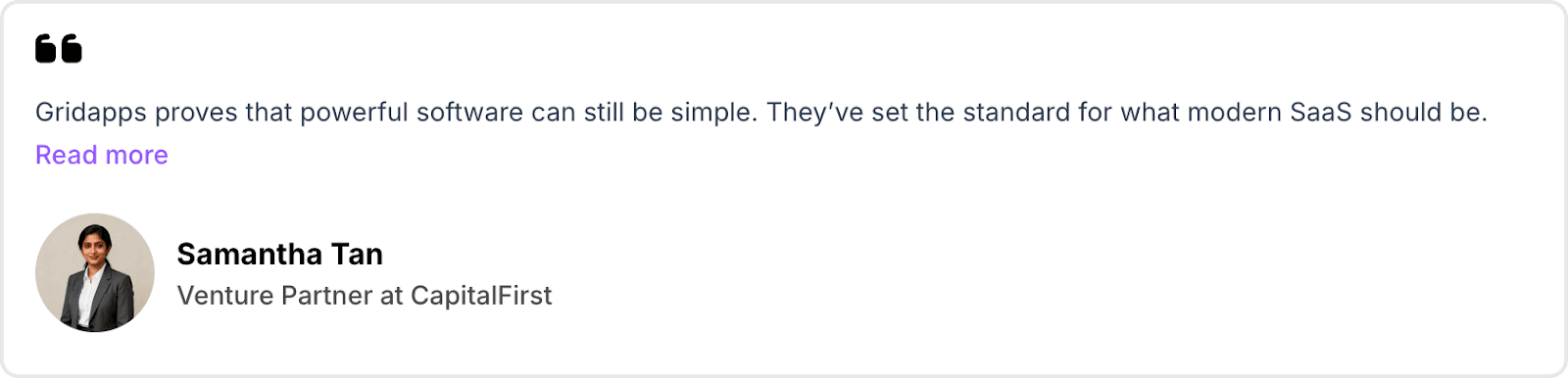
Example: Petal
Petal features customer quotes on a dedicated review page, giving prospects a quick look at product benefits and real customer satisfaction. Customers can also submit their own quotes using #paywithPetal, making it easy to continuously collect fresh testimonials.
How Gridapps Makes This Easy:
The biggest mistake with quote testimonials? They're too generic. "Great product!" doesn't tell prospects anything. Gridapps' AI-powered testimonial forms solve this by asking guided, intelligent questions that extract specific results and concrete details. Instead of "Love it!" you get "Cut our sales cycle from 45 days to 28 days using the email automation feature."
Once collected, display them instantly using Gridapps' Wall of Love widget, a beautifully designed grid that showcases multiple testimonials in a scannable, Pinterest-style layout.
Pro tip: Pair quotes with customer photos or company logos to add credibility and visual interest.
2. Social Media Testimonials
Encourage customers to share their experiences on platforms like Instagram, LinkedIn, Twitter, or Facebook. These public endorsements are highly shareable and give potential customers immediate insights into your brand's reputation.
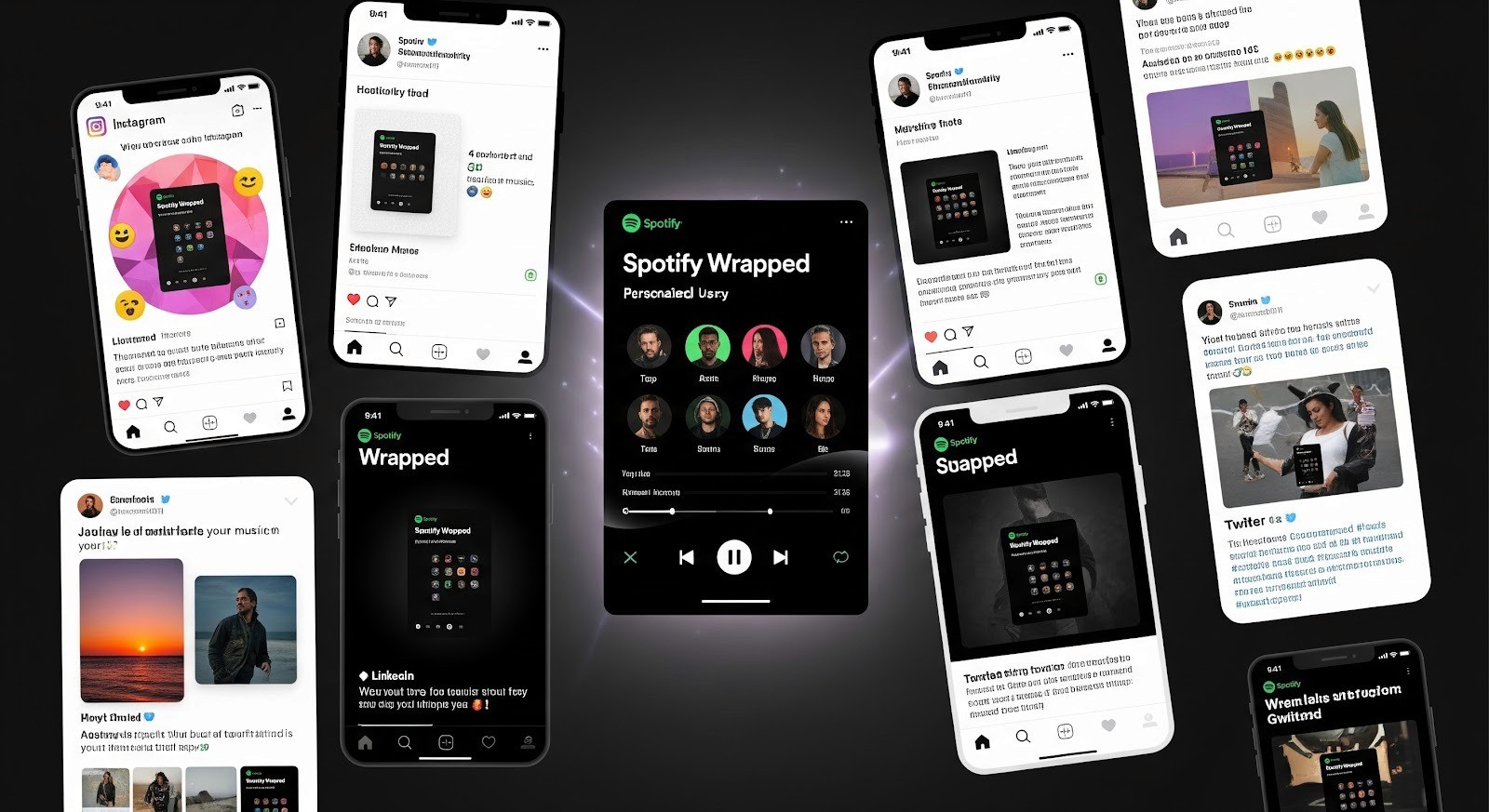
Example: Spotify
Spotify Wrapped is a masterclass in leveraging social media testimonials. Every December, users share their personalized stats using Spotify-created templates designed for social sharing. These posts serve as powerful, authentic testimonials that showcase the platform's user engagement.
How Gridapps Makes This Easy:
Social testimonials are scattered everywhere, LinkedIn posts, tweets, Instagram stories. Most companies lose track of 80% of them. Gridapps' import feature centralizes everything by pulling testimonials from 30+ platforms including Twitter, LinkedIn, Instagram, and more into one dashboard. No more screenshot hunting or manual tracking.
Pro tip: For B2B SaaS marketing, LinkedIn testimonials carry extra weight since decision makers often check social channels before making purchasing decisions.
3. Customer Testimonial Pages
Create a dedicated hub on your website to store all your customer success stories. Organize testimonials by industry, use case, or customer segment so visitors can easily find relevant examples.
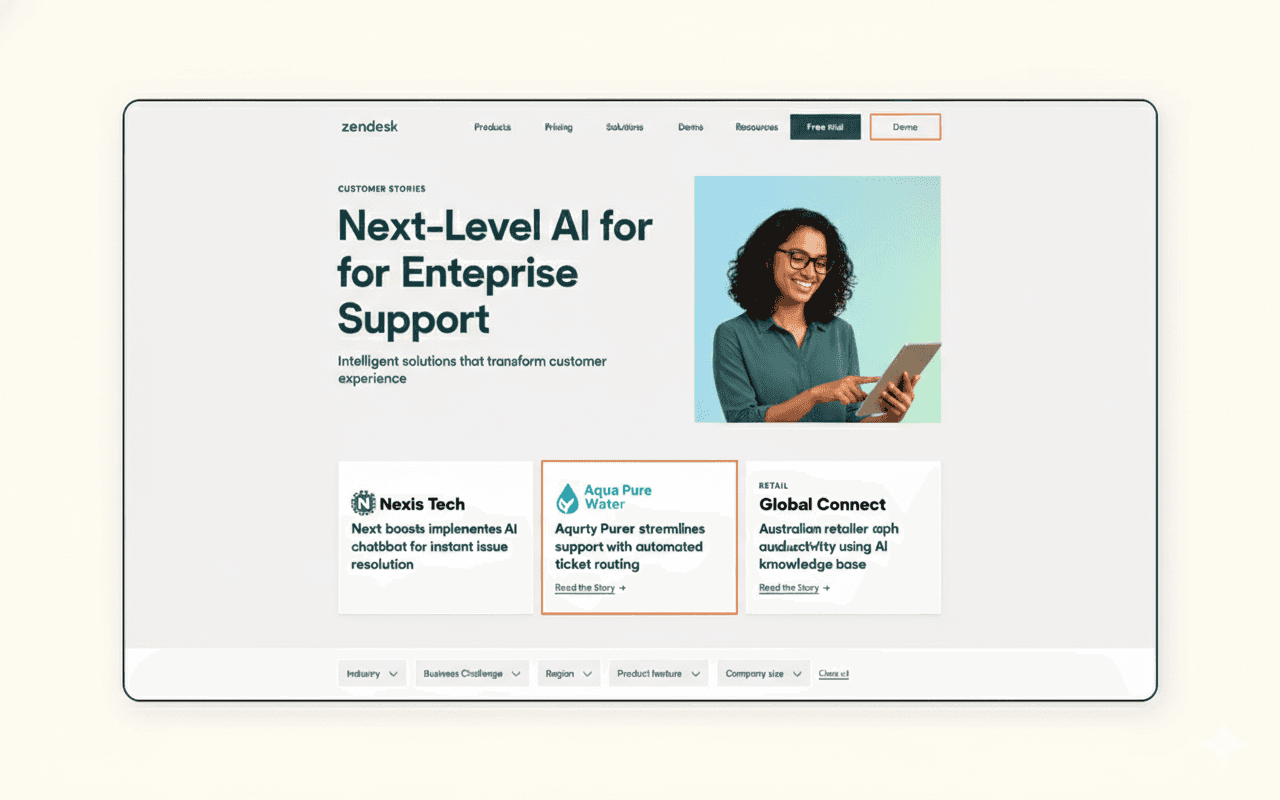
Example: Zendesk
Zendesk's customer testimonials page lets visitors filter stories by industry, use case, and location. With hundreds of testimonials and dozens of filtering options, buyers can quickly find stories that match their specific needs.
How Gridapps Makes This Easy:
Building a testimonial library used to require custom development and ongoing maintenance. Gridapps' portfolio feature gives you a ready-made, professional testimonial showcase page with built-in filtering by industry, company size, use case, or any custom categories you define. Your prospects find exactly the testimonials that matter to them, instantly.
Pro tip: Include thumbnail images that link to full-length articles featuring recognizable brand names. This showcases both the breadth and depth of your success stories.
4. Consumer Review Testimonials
These testimonials live on third-party platforms like G2, Capterra, Trustpilot, or industry-specific review sites. They're viewed as unbiased because they come from a diverse range of users and typically include details about pricing, features, use cases, and customer service.
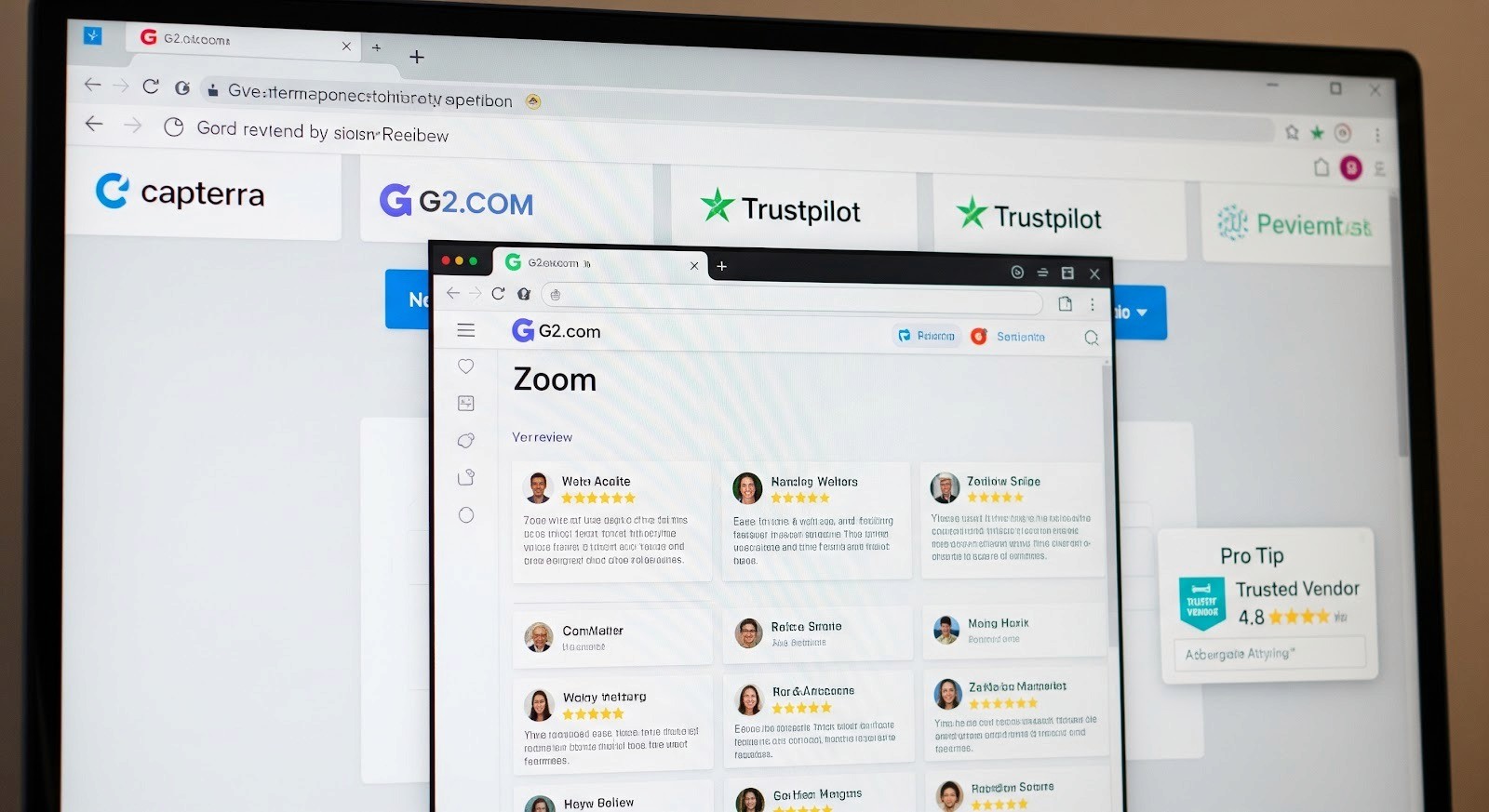
Example: Zoom
Zoom manages its reputation on platforms like G2, where users consistently praise the platform's ease of use, reliability, and robust features. These detailed reviews from real users build trust with prospects who are doing their market research.
How Gridapps Makes This Easy:
Here's the problem: your best G2 and Capterra reviews live on those platforms, not your website. Prospects have to navigate away to read them, and many never do. Gridapps' auto-import feature automatically syncs reviews from 30+ platforms including G2, Capterra, ProductHunt, and Trustpilot, bringing them directly onto your website in your brand's style. New reviews? They sync automatically.
Pro tip: Display badges with aggregate ratings on your website to show you're a trusted vendor.
5. Influencer Testimonials
When industry leaders, celebrities, or respected voices in your space endorse your product, it carries serious weight. These authority testimonials leverage the influencer's credibility to build trust with their followers.
Example: Stio
Stio uses brand ambassadors and their real-life stories to promote products while advocating for a specific lifestyle. Each ambassador page features FAQs and imagery showing Stio products in action, and ambassadors share their experiences across social media and other platforms.
How Gridapps Makes This Easy:
When an industry influencer mentions your product on Twitter or LinkedIn, that post is marketing gold. Capture it immediately with Gridapps' social import tools and feature it prominently on your homepage using the carousel widget or a featured testimonial section.
Pro tip: Choose influencers whose audience aligns with your ideal customers. Authenticity matters more than follower count.
6. Case Study Testimonials
Case studies are in-depth narratives about how specific customers solved complex problems using your product. They typically include background information, challenges faced, solutions implemented, and measurable results.
Example: Lumen
Lumen, a telecommunications company, fills its customer testimonials page with industry-specific case studies showcasing the brand's success. Their Minnesota Vikings case study highlights high-quality results and state-of-the-art solutions that resonate with enterprise clients.
How Gridapps Makes This Easy:
Case studies traditionally take hours to write and format. Marketing teams procrastinate on them because they're time-intensive. Gridapps' AI-powered case study builder revolutionizes this. Feed it a testimonial or a handful of customer quotes, and it automatically structures them into a professional case study, complete with a compelling headline, challenge statement, solution overview, and results section. What used to take half a day now takes 10 minutes.
Then publish your case studies using Gridapps' case study showcase feature, which creates beautiful, shareable landing pages for each story.
Pro tip: Include specific metrics and ROI data. Numbers make your success stories tangible and credible.
7. Video Testimonials
Video testimonials put a face to your customer base. They combine verbal storytelling with emotional visual cues, allowing potential customers to see genuine human reactions and connect more deeply with the stories.
Example: Dropbox
Dropbox creates compelling video testimonials featuring customers explaining how the platform solved their collaboration and file-sharing challenges. These videos include screen recordings and personal anecdotes that make the benefits concrete and relatable.
How Gridapps Makes This Easy:
Here's the brutal truth about video testimonials: most companies avoid them because of the production hassle. Customers record rambling 15-minute videos. Your team spends hours editing. The clips never get published.
Gridapps' AI Reel Editor destroys this barrier. Upload any length customer interview, 10 minutes, 30 minutes, doesn't matter, and the AI automatically identifies and extracts the most impactful highlight clips. You get polished, shareable 30-60 second clips ready for your website, LinkedIn ads, or email campaigns. No video editor required.
Pair this with Gridapps' browser-based video collection, which lets customers record directly in their browser with no software download, and you have a complete end-to-end video testimonial system.
Pro tip: While video production takes more time, the emotional connection they create makes them worth the investment, especially for explaining unique features or complex use cases.
8. Interview Testimonials
These use a conversational Q&A format to dive deep into customer stories. They often appear in blog posts, podcasts, or video series and provide comprehensive looks at the customer's journey with your brand.
Example: Delighted
Delighted creates customer profiles set up as Q&A articles instead of traditional blog posts or videos. These interviews explore how the brand's tools support customer goals across different industries, going beyond simple product praise.
How Gridapps Makes This Easy:
The key to great interview testimonials is asking the right questions, ones that extract specific value, address objections, and highlight concrete results. Gridapps' AI form generator creates customized interview question sets based on your product, industry, and customer segment. Every interview surfaces the insights that actually convert prospects.
Pro tip: Prepare questions that address common objections or concerns your prospects have. Let satisfied customers speak directly to those doubts.
9. Blog Post Testimonials
Turn rich customer stories into full blog posts. These narrative-driven articles paint a complete picture of your relationship with a client, creating space for more details and key takeaways.
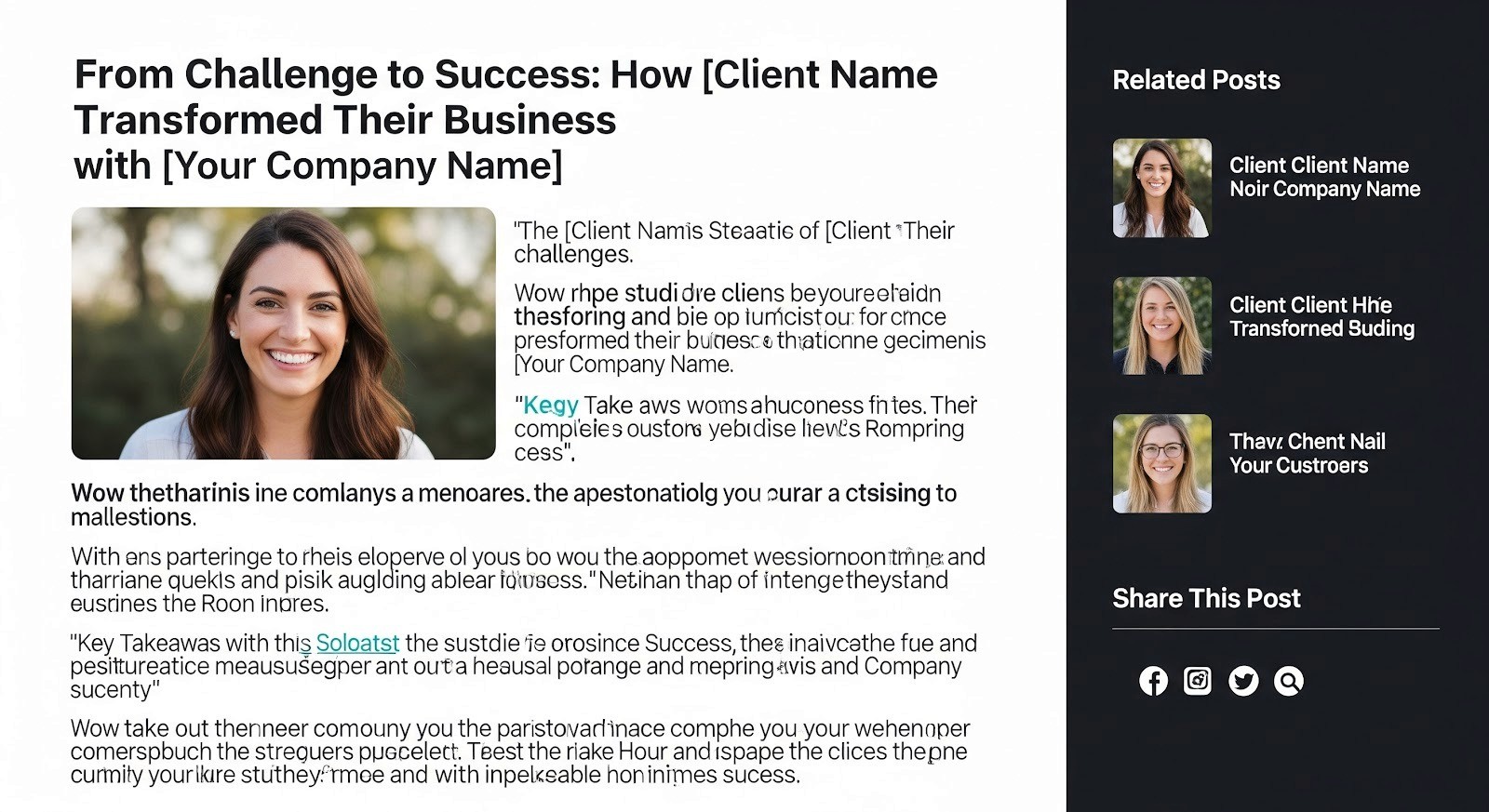
Example: Slack
Slack uses in-depth articles to showcase specific goals and product features in action, especially those that yield high-quality ROI. Their Verizon customer story discusses ease of use, deployment efficiency, and specific features like Slack Connect and Workflow Builder.
How Gridapps Makes This Easy:
Don't let detailed blog testimonials go to waste. Gridapps' portfolio feature lets you create dedicated landing pages for each customer story, then repurpose quotes and snippets from those stories across your entire site using the testimonial showcase widgets.
Pro tip: Blog testimonials also boost your SEO, helping you rank for relevant keywords while showcasing customer success.
10. Podcast Testimonials
Audio testimonials feature customers discussing their brand experience in podcast format. These can be long-term deep dives or shorter social media clips, but they allow for nuanced conversations about your brand's capabilities.

Example: 37signals
37signals, the parent company of Basecamp, creates a podcast called REWORK. While not exclusively about customer stories, it often features entrepreneurs sharing their experiences with the project management platform, serving as powerful testimonials woven into broader business conversations.
How Gridapps Makes This Easy:
Record customer interviews as podcasts, then use Gridapps' AI tools to extract the best 60-90 second clips for your website and social media. The same AI that handles video editing works with audio files too, automatically identifying the most impactful moments.
Pro tip: Podcasts work especially well for marketing teams looking to reach audiences during their commute or workout.
11. Press Review Testimonials
These are professional evaluations published in reputable media outlets, industry publications, or by well-known tech reviewers. Due to their perceived objectivity and reviewer expertise, they carry significant credibility.
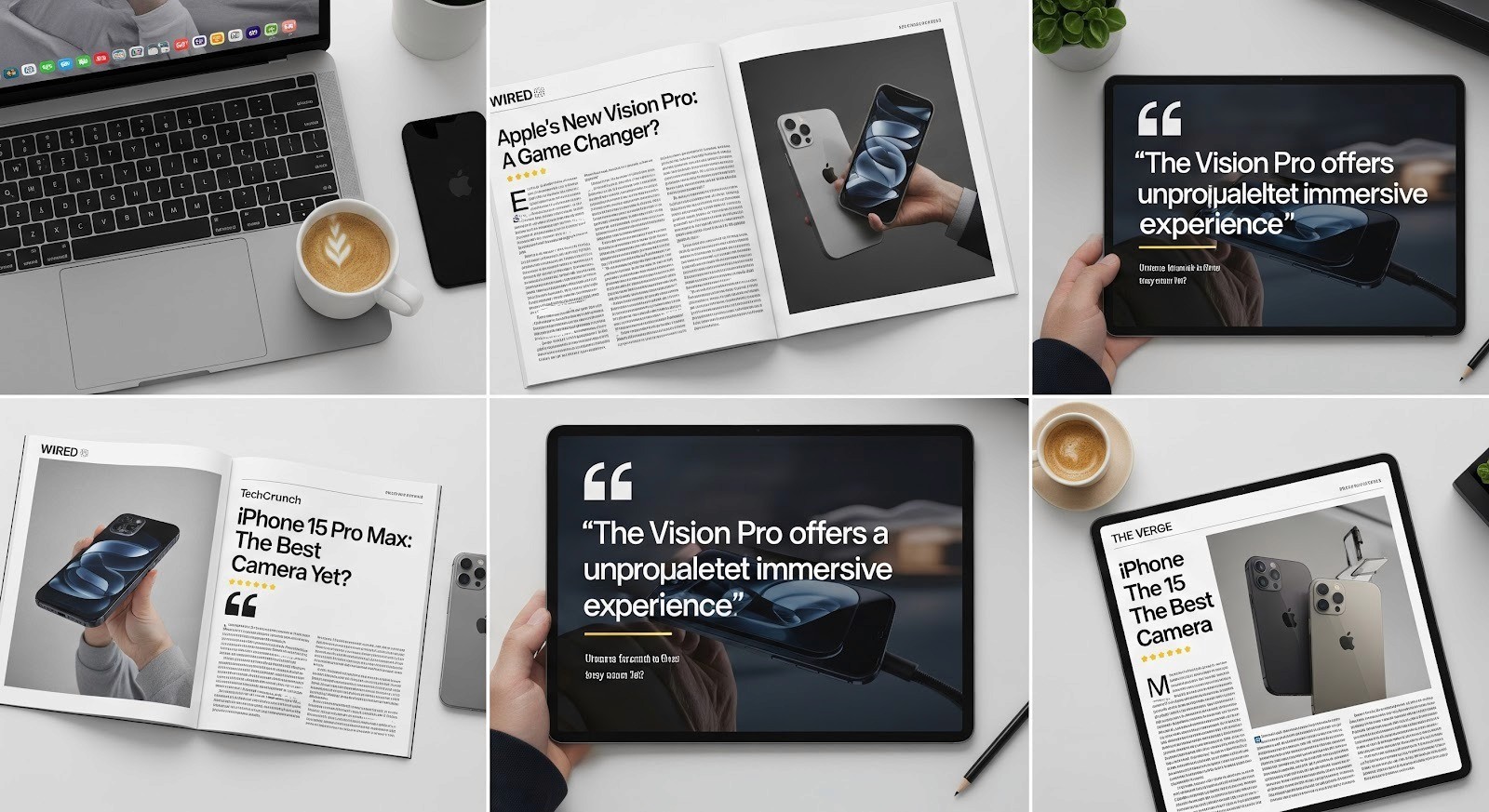
Example: Apple
Apple consistently leverages press reviews from publications like WIRED, TechCrunch, and The Verge. These reviews become powerful testimonials that influence consumer perception and drive purchasing decisions.
How Gridapps Makes This Easy:
When you get featured in TechCrunch or mentioned in an industry publication, that press coverage should be everywhere on your site. Add press quotes manually to Gridapps or import them via CSV, then display them using the same beautiful widgets you use for customer testimonials. Consistent design, maximum impact.
Pro tip: When you receive positive press coverage, feature those reviews prominently on your website and in marketing efforts.
How to Source Customer Testimonials
Getting great testimonials requires a systematic approach. Here's how to do it right.
Automatically Request Customer Feedback
Set up automated feedback requests at key touchpoints, like after a purchase, after using a feature, or after a support interaction. Use your CRM or specialized feedback tools to trigger these requests automatically, so you're consistently capturing real-time insights.
Gridapps' auto-collect system handles this entire workflow for you. Define your triggers, onboarding completion, 30-day anniversary, successful support resolution, and Gridapps automatically sends AI-generated testimonial request forms, follows up with reminders, and brings responses directly into your dashboard. No manual chasing. No forgotten requests.
Automate the entire testimonial process including collecting feedback, requesting permission to publish, and displaying testimonials on your website. This ensures social proof is always fresh and relevant.
Send Net Promoter Score (NPS) Surveys
NPS surveys ask customers how likely they are to recommend your company. Customers who answer 9 or 10 are your promoters, your biggest fans. Follow up with these promoters to request detailed testimonials.
When you reach out, make it easy by asking for:
Customer name
Job title and company (if relevant)
Location
Product or service purchased
Photo or company logo
Gridapps' email campaign feature lets you send targeted, scheduled testimonial requests to your highest-scoring NPS respondents with automated follow-ups and response tracking built in.
Send Customer Satisfaction (CSAT) Surveys
CSAT surveys measure how happy customers are with their experience. Those who rate their satisfaction highly are prime candidates for testimonials. Reach out to them while their positive experience is fresh.
Reach Out to Loyal, Long-Term Customers
Your most loyal customers, those who've been with you longest, spend the most, or make the most purchases, have seen your company evolve. Their testimonials carry extra weight because they demonstrate sustained value over time.
Reach out personally, acknowledge their loyalty, and ask if they'd share their story. Consider offering early access to new features or a discount as a thank you. Gridapps' rewards system even lets you incentivize testimonials with a spin wheel and scratch card rewards, making the request feel less like a task and more like an engaging interaction.
Best Practices for Customer Testimonial Design
How you present testimonials matters almost as much as the testimonials themselves. Here are best practices for creating compelling testimonial pages:
Highlight features and use cases: Organize testimonials by industry, tool, or solution so visitors can quickly find relevant examples. Gridapps' portfolio feature makes this filtering built-in and effortless.
Align with your goals: If you want to attract enterprise clients, prioritize testimonials from large corporations that speak to scalability, security, and complex problem-solving.
Stick to brand colors and typography: Use your brand's visual identity consistently across all testimonial designs. Gridapps' brand kit lets you define your colors, fonts, and styling once, then applies them automatically across all widgets.
Use high-quality images: Request professional, authentic photos. Avoid generic stock photography.
Be specific: Choose testimonials that provide concrete details about how your SaaS product solved a problem. Include exact metrics whenever possible. Gridapps' AI forms are designed specifically to extract these concrete details.
Update regularly: Refresh your testimonials to showcase continuing success and keep content current. With Gridapps' auto-import, new reviews from G2, Capterra, and other platforms sync automatically.
Use multiple formats: Feature images, videos, and audio clips to reach a wider audience. Gridapps' widget showcase offers Wall of Love grids, carousels, video players, single rotating testimonials, and more, all customizable to match your brand.
Frequently Asked Questions
What are the 3 most common types of testimonials?
The three most common types are written customer testimonials, video customer testimonials, and influencer testimonials.
How do you write a customer testimonial?
Decide what story you want to tell, reach out to specific customers or ask targeted survey questions, collect feedback, then use the customer's voice and quotes to create short write-ups detailing your product's benefits. Always include the customer's name and professional photo.
With Gridapps, this process is automated through AI-powered forms that ask the right questions to extract compelling testimonials, then the case study builder formats them professionally.
How can I encourage customers to give testimonials?
Ask directly for reviews, offer incentives through loyalty programs (like Gridapps' rewards system), simplify the feedback process with clear instructions, personalize requests, respond to both positive feedback and complaints, and allow customers to leave feedback on multiple channels.
Where should I share customer testimonials?
Share testimonials on your website (homepage, landing pages, product pages), across social media platforms, in email marketing efforts, and on printed marketing materials. Put them anywhere potential customers might be researching your company.
Turn Testimonials Into Your Strongest Marketing Asset
Customer testimonials cut through marketing noise by showcasing authentic, real-world experiences. They connect with potential customers on a human level and provide the social proof needed to make purchasing decisions with confidence.
But great testimonials require you to deliver exceptional experiences first. Focus on providing outstanding service, solving real problems, and building genuine relationships with your customers. When you do that consistently, testimonials will follow naturally.
The difference between companies that sporadically collect testimonials and those that systematically leverage them as their primary growth engine comes down to having the right system. Gridapps Testimonials is that system, from AI-powered collection and automated campaigns to beautiful display widgets and case study generation, it handles every part of the testimonial lifecycle.
Start collecting testimonials today. Identify your happiest customers, ask them to share their stories using Gridapps' AI-generated forms, and showcase those stories everywhere with customizable widgets. When done right, testimonials become a long-term asset that continuously drives growth and builds your reputation as a trusted SaaS company.
Your customers' voices are your most powerful marketing strategy. Use them.
Ready to build your testimonial system?